

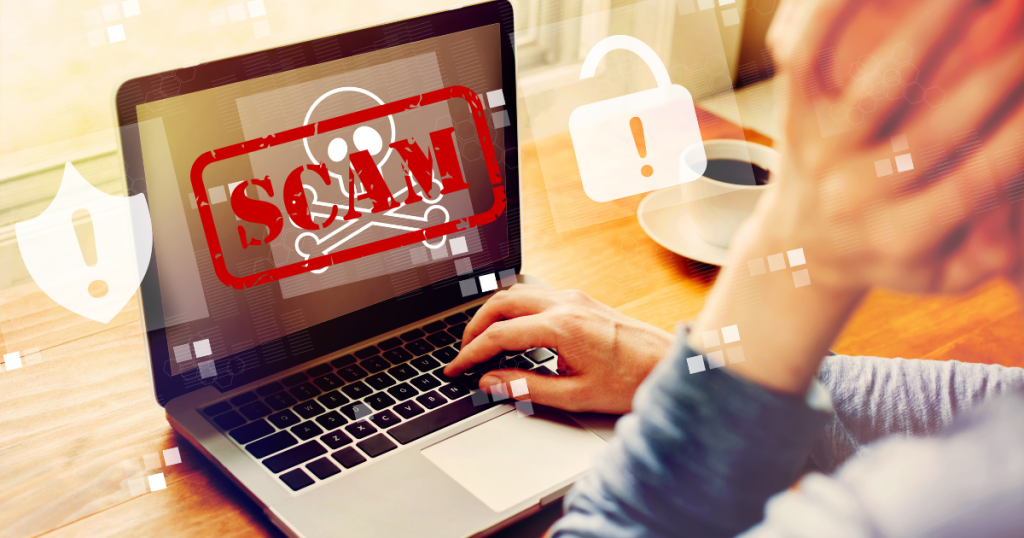
According to the FTC, there were over 1 million reports of imposter scams in 2025…a 20% increase over previous years, with losses of nearly $3.5 billion. Scams come in many shapes and sizes, ranging from romantic overtures to government warnings, or even offers to buy your small business that, on the surface, might look fairly legitimate.
Are you vigilant enough to avoid getting scammed? Maybe! Even if you consider yourself scam-proof, understanding the current issues facing customers and business owners alike can keep you and the people you love one step ahead of people trying to steal your money.
The Classics: Prizes, Long Lost Relatives, and True Love
There are a few tried-and-true methods that scammers have used for years, cons that have withstood the test of time (so far). These are your classic scams, stories that pull at the heartstrings or offer a reward that seems too good to be true…because it is.
Here are a few ways to determine whether a prize, an inheritance from mysterious Aunt Anita, or a romantic overture from financially unstable Crown Prince Gary is real:
- If you didn’t enter a contest, you didn’t win it. Lotteries, contests with huge prizes, these kinds of things are not won without entries, either purchased or free. It’s very unlikely that a company will give you a large amount of money or a car or some other priceless item out of the blue.
- If you have never in your life heard of Aunt Anita, she probably doesn’t exist, and she also probably didn’t leave you her vast fortune and estate. It’s a very nice daydream to believe that somewhere out there, a benevolent, loaded family member is waiting to bequeath their earthly riches to us, but the reality is, it’s probably not real. I wish it for you, though, truly.
- If a Crown Prince is coming to you for money, that really should be a huge red flag right off the bat. This also goes for celebrities; if Ryan Reynolds DM’s you and says that he left his wallet in a cab and you’re the only person who can send him money, please don’t do it.
Government Imposter Scams
Over the past decade, government agency scams have blossomed. Scammers impersonate real agencies and organizations by spoofing phone numbers, so people are convinced by the name on the caller ID.
Some common ones include:
- You owe a fine for unpaid tolls. A popular scam over the past several months has been via text, claiming that payment is urgently needed for unpaid tolls. This is a phishing scam, and people spoof numbers for companies like E-Z Pass to make it look real. Government agencies will not send you text messages or emails to collect debts.
- Your Social Security benefits are being suspended unless you pay immediately. The Social Security Administration will never email or text you, or reach out to you in any other way, demanding that you pay an arbitrary amount with PayPal, crypto or gift cards.
- You did something illegal, and you’re going to jail if you don’t pay. Look, if the police are trying to arrest you, they’re not going to send you a text message threatening you with arrest if you don’t pay them with a Visa Gift Card. That’s the bottom line here.
Now, maybe you did enter a contest, or you do have an Aunt Anita, or the Crown Prince sends a photo and he’s very handsome…you may be tempted to think it’s legit. Or, maybe a government impersonator has sent you a very concerning and legitimate-looking email with a PDF that looks like a summons or a bill.
It’s still not legit, and here are a few more ways you can tell.
- They’re asking for payment via crypto, money wiring, payment apps, gift cards, or some other untraceable way. I’ve received quite a few of these emails over the years, and there seems to be a weird pattern – Apple or Google Gift Cards. I like to play Hatch Dragons as much as the next person, but I’m not sure I’d ever scam someone for a Google Play Gift Card to buy more gems, you know?
- The email address is…weird. I’m not talking weird like “[email protected]”; I’m talking about something like “[email protected]” or something other than an email that ends in the official website for the company. You can easily double-check this by going to the company’s website and checking against their customer service or support email addresses.
- Aggressive pressure. This is the not-funny part of these scams. Sometimes, con artists will get aggressive and even mean if you question them, threatening you with legal action or harm. You have to ask yourself: if my long-lost relative really passed and left me an inheritance, why would the person contacting me pressure me to pay them money immediately to get it?
- Call the company or government agency directly. When someone is aggressively telling you that you’re going to jail over unpaid toll fines or a parking ticket, and you’re not sure if it’s true because it looks really, REALLY legitimate, go to the source. If a text claims it’s from the police, call your local police department’s non-emergency phone number and tell them what you received. They’ll be able to tell you if it’s true, which it probably won’t be.
You know it’s a scam. Now what?
You’ve seen the red flags waving on the horizon, and you know someone is trying to scam you out of your money…so now what do you do?
First of all, you don’t need to respond. If you’re positive it’s a scam, don’t bother responding. You can report scams on the FTC website, which is helpful. And you should definitely block further communications from the people, especially if they’re aggressive or insulting. You don’t need that nonsense in your inbox.
Use this opportunity to evaluate how you share your information. We live in a world of oversharing when it comes to personal/contact info. It’s tedious. It’s boring. Still, read the fine print. Some of these scam emails may be coming from businesses that have experienced data breaches, but some come from people who have paid data brokers to scrape public listings for information. Share your contact information publicly only when you need to, and consider creating a separate email address for communications about your business.
If you accidentally shared your bank info or Social Security number with a scammer, take action immediately. Call your bank, monitor your credit report, and change the passwords to important accounts immediately. If you’re unsure what action to take, contact the FTC or your local police department directly for assistance.
Don’t let the scammers win.
When it comes down to it, outsmarting scammers is really a matter of checking and double-checking the communications you receive to determine what’s real and what’s not. Don’t take anything at face-value when it comes to communications about your business or your personal finances. It only takes a few moments to check an email address or call the authorities to confirm things.

Report Fraud (FTC)
How to Recognize and Avoid Phishing Scams (FTC)